
FireAlpaca | Free Digital Painting Software
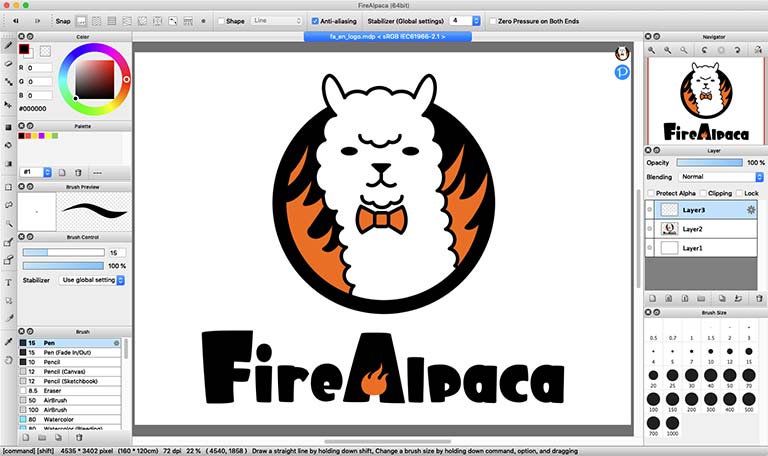
FireAlpaca is the free Digital Painting Software that is available in 10 languages and compatible with both Mac and Windows. Simple tools and controls let you draw an illustration easily.
Furthermore, the global population is aging. Baby Boomers and Generation X constitute a massive demographic with high disposable income. They want to see their own lives, struggles, and triumphs reflected on screen, not airbrushed out of existence. Behind the Camera: The Directorial Insight
Furthermore, directors like Greta Gerwig, Jane Campion, and Sofia Coppola have consistently crafted nuanced roles for women over 40. Campion’s The Power of the Dog , for instance, gave Kirsten Dunst (then 39) and a host of older actors a raw, psychologically complex stage that would have been unthinkable for a studio drama a decade ago.
Despite these challenges, the narrative is shifting as mature women demand—and receive—more multi-layered roles.
Mature women are increasingly cast as brilliant, cutthroat, and highly capable leaders. In the hit series Hacks , Jean Smart portrays a legendary Las Vegas comedian fighting to maintain her legacy in a changing cultural landscape. Her character is narcissistic, driven, deeply flawed, and fiercely funny. Similarly, Michelle Yeoh’s Oscar-winning performance in Everything Everywhere All at Once placed a middle-aged, exhausted laundromat owner at the center of an epic, multi-dimensional action film, proving that physical prowess and emotional heroism are not the exclusive domain of the young. 3. Complicated Family and Social Dynamics
The corporate boardroom and the political backroom used to be male-only spaces on screen. Not anymore. MegaPack - Syren De Mer - Multi-Penetration MILF
For generations, marketing executives operated under the assumption that younger consumers were the only demographic worth chasing. However, modern market research shows that mature women are active consumers of culture, media, and entertainment. They want to see their own lives, dilemmas, victories, and bodies reflected on screen. Studios and networks that ignore this demographic leave billions of dollars on the table, making the inclusion of mature women a financial imperative rather than just a moral or progressive choice. Intersectional Progress and the Global Stage
The traditional "nurturing matriarch" archetype is being replaced by characters with deep psychological complexity. In Mare of Easttown , Kate Winslet plays a grieving, vape-smoking small-town detective who is also a grandmother. The character is messy, occasionally short-tempered, and deeply traumatized, offering a raw depiction of survival and resilience that resonated deeply with global audiences. The Economic Power of the Demography
This public link is valid for 7 days and shares a thread, including any personal information you added. This link or copies made by others cannot be deleted. If you share with third parties, their policies apply. Can’t copy the link right now. Try again later.
Do you need me to focus on a (e.g., Hollywood, European cinema, global markets)? Furthermore, the global population is aging
Perhaps the most significant shift is that mature women are no longer waiting for the phone to ring. They are building the infrastructure themselves.
A generation of legendary performers is proving that their 50s and beyond can be their most powerful years. Women Over 50: The Right to be Seen on Screen
Despite these undeniable milestones, the battle against ageism in entertainment is far from completely won. Red carpets and media coverage still disproportionately fixate on the physical appearance and anti-aging regimens of older actresses, reinforcing societal pressures to maintain a youthful facade. Furthermore, data shows that while roles for women in their 40s and 50s have increased, representation still drops significantly for women over 60, and even more sharply for older women of color and LGBTQ+ individuals.
While the progress made by mature women in entertainment is undeniable, systemic barriers remain. The intersection of ageism with racism, classicism, and ableism means that women of color, LGBTQ+ actresses, and disabled actresses face an even steeper uphill battle to secure meaningful roles as they age. While white actresses have seen a notable expansion in opportunities, the industry must work deliberately to ensure that women of all backgrounds are afforded the same grace of aging visibly on screen. Mature women are increasingly cast as brilliant, cutthroat,
For generations, older women were treated as asexual or as the subjects of comedic discomfort when expressing desire. Recent cinema directly challenges this puritanical view. Films like Good Luck to You, Leo Grande (starring Emma Thompson) and Babygirl (starring Nicole Kidman) offer honest, empathetic, and explicit examinations of female pleasure, bodily autonomy, and vulnerability in later life. These films normalize the reality that intimacy and self-discovery do not terminate with age. 2. Unapologetic Ambition and Power
For decades, Hollywood operated under an unwritten, expiration-date rule for female actors. Once a woman celebrated her 40th birthday, the leading roles vanished. They were routinely replaced by archetypes: the grieving mother, the eccentric aunt, or the bitter antagonist.
Investing in mature female talent is no longer just a progressive artistic choice; it is highly profitable business. Production companies have realized that mature women are fiercely loyal consumers who drive viewership trends across both traditional cinema and digital streaming platforms.
The normalization of mature women in entertainment signifies a permanent cultural shift. As the current generation of powerhouse actresses, writers, and directors continue to age, they bring their massive fan bases and industry leverage with them. The industry is gradually waking up to a simple truth: aging enhances an artist's depth, emotional range, and bankability.
FireAlpaca is the free Digital Painting Software that is available in 10 languages and compatible with both Mac and Windows. Simple tools and controls let you draw an illustration easily.