


































Construction Simulator

The movie's title, "La Ciociara," refers to the traditional costume worn by the women of the Ciociaria region, symbolizing the strong connection between the characters and their cultural heritage. "La Ciociara" was a critical and commercial success, earning several Academy Award nominations and cementing its place as one of the greatest films of all time.

| Actor | Role | Real-World Counterpart | | :--- | :--- | :--- | | | Cesira, "la ciociara" | Based on Sophia Loren's iconic character | | Rebecca Volpetti | Rosetta, Cesira's daughter | Based on Eleonora Brown's character | | Steve Holmes | Adolfo, a fascist militiaman | A fictionalized antagonist | | Filippo Locantore | Alberto Moravia | The author of the original novel | | Costy Saddy | Elsa Morante | Alberto Moravia's partner and fellow writer |

(often translated as Two Women ) is a cornerstone of Italian media heritage:

To understand the music, we must first revisit the film. Vittorio De Sica’s 1960 masterpiece La Ciociara (known in English as Two Women ) is a brutal, neorealist gut-punch. It follows Cesira (Sophia Loren in her Oscar-winning role) and her young daughter Rosetta as they flee bombed-out Rome for the relative safety of the countryside during WWII. “The Journey” is the film’s narrative spine—a trek not just across war-torn Lazio, but from innocence to trauma.

In conclusion, "Salieri: La Ciociara Part 2 – The Journey" is more than just a sequel; it is a pivotal work that showcases a master composer pushing the boundaries of his craft. By blending regional folk traditions with grand operatic structures, Salieri created a sonic landscape that was ahead of its time. For those looking to understand the true depth of Salieri’s genius beyond the myths and legends, "The Journey" provides an essential and rewarding path of discovery. Share public link

La Ciociara (known in English as Two Women ) is a deeply serious and tragic narrative originally written as a 1957 novel by Alberto Moravia.

The mainstream entertainment media of the 1960s capitalized on La Ciociara by reframing it. While Italian audiences viewed the film as a painful, urgent reflection of their recent history and the complex moral failures of war, American popular media marketed it through the lens of Hollywood stardom. Loren, already established as a global sex symbol, was suddenly validated as a serious dramatic powerhouse.

On platforms like TikTok and YouTube, creators frequently use clips of F. Murray Abraham’s performance in Amadeus to illustrate themes of imposter syndrome, professional jealousy, and the toxic nature of comparison. The entertainment value of the tragic villain vastly outweighs the historical reality of the successful bureaucrat. Modern algorithms reward high-emotion narratives, ensuring that the fictionalized Salieri remains an enduring archetype of popular media. La Ciociara: Neorealism, Hollywood, and the Media of Trauma

This adaptation, which explicitly reimagines Alberto Moravia’s acclaimed novel and Vittorio De Sica’s 1960 Oscar-winning masterpiece starring Sophia Loren, was met with significant scrutiny and notoriety. By transforming a war-era drama about survival and trauma into an adult film trilogy, Salieri positioned his work within a unique, albeit highly contentious, space in contemporary entertainment. The Context: A Remake of a Masterpiece

The enduring legacy of Salieri and "La Ciociara" can be attributed to their timeless themes, which continue to resonate with audiences today. The complexities of human emotions, the struggle for artistic recognition, and the power of maternal love are universal themes that transcend time and cultural boundaries.

Musically, the journey is articulated through a series of carefully contrasted episodes, each linked by a recurring, low-string passacaglia -like motif – a trudging figure that suggests exhausted footsteps more than triumphant progress. Salieri avoids any conventional “travel” aria; instead, he parcels the dramatic weight between fragmented ariosos, spoken dialogue over harmonic stasis, and sudden bursts of choral commentary (the displaced peasants they meet along the way).

This is the ultimate proof that have fully metabolized even the darkest corners of Italian cultural history.

When terms like "part 2," "the journey," and "xxx new" are appended to names like Salieri or titles like La Ciociara , it indicates a intersection of several digital phenomena: 1. Search Engine Optimization (SEO) Spam

: The review on IMDb (rating 6.2/10 from 14 votes) is a nuanced assessment. It applauds the artistic ambition, praising the forced-sex scene between Steve Holmes and Roberta Gemma as "a classic XXX scene" that demonstrates Salieri's commitment to story-driven eroticism over the "dominant gonzo format.". However, the same critic finds the overall mix of mainstream narrative and explicit content "indigestible," criticizing both the "dead non-sex scenes" and "overlong XXX scenes". The film is described as having an "immense seriousness," a "patina of sincerity," and a "very awkward structure" that ultimately aims for pathos.

The intersection of classic Italian literature and adult cinema represents a specific stylistic choice within the industry, reflecting a desire to bridge the gap between mainstream cinematic storytelling and erotic entertainment.

Until an original acetate or a studio tape emerges, this “XXX new” score remains the holy grail of Italian neorealist film music: a journey into sound that is lost, but not forgotten.

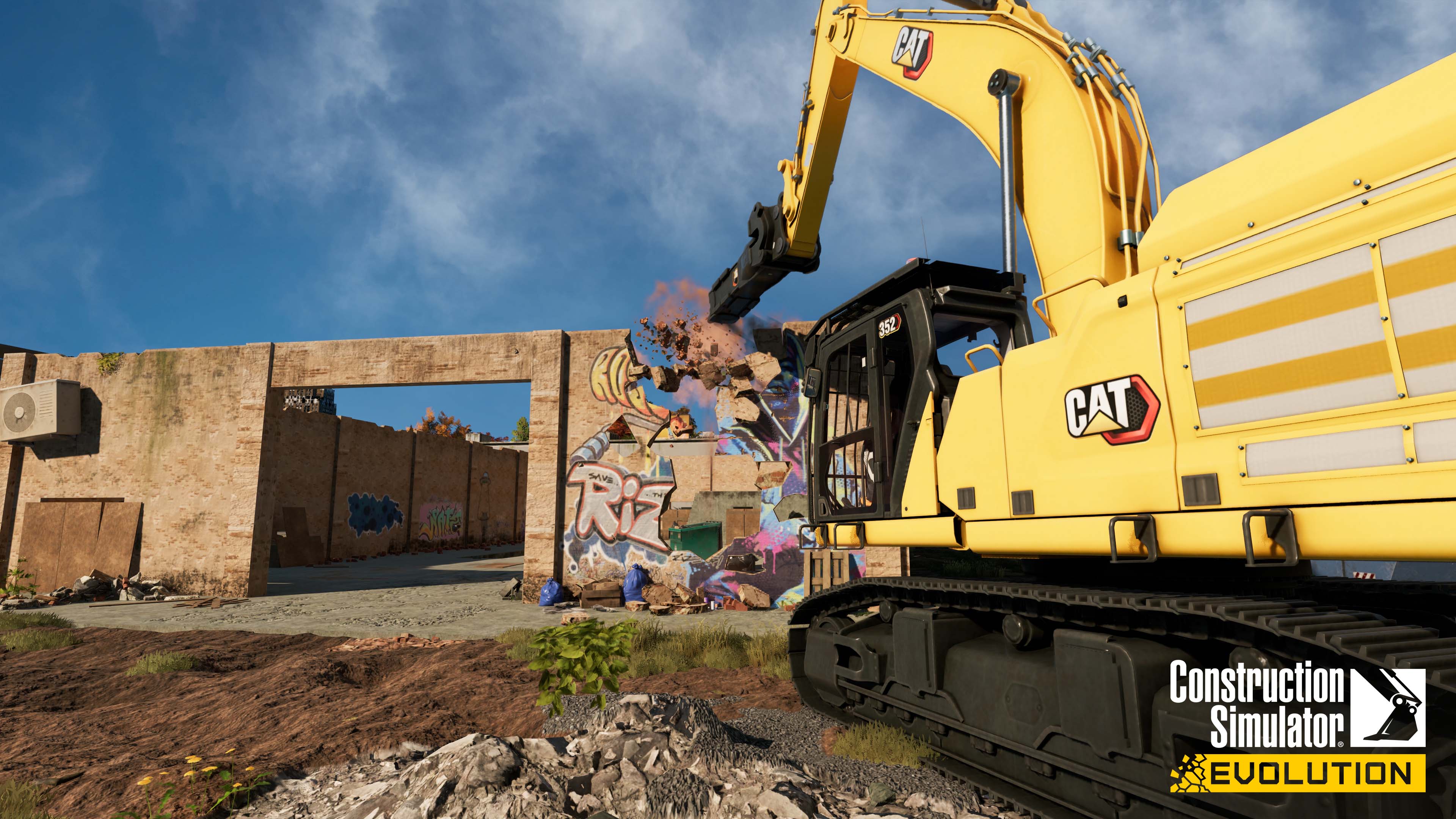
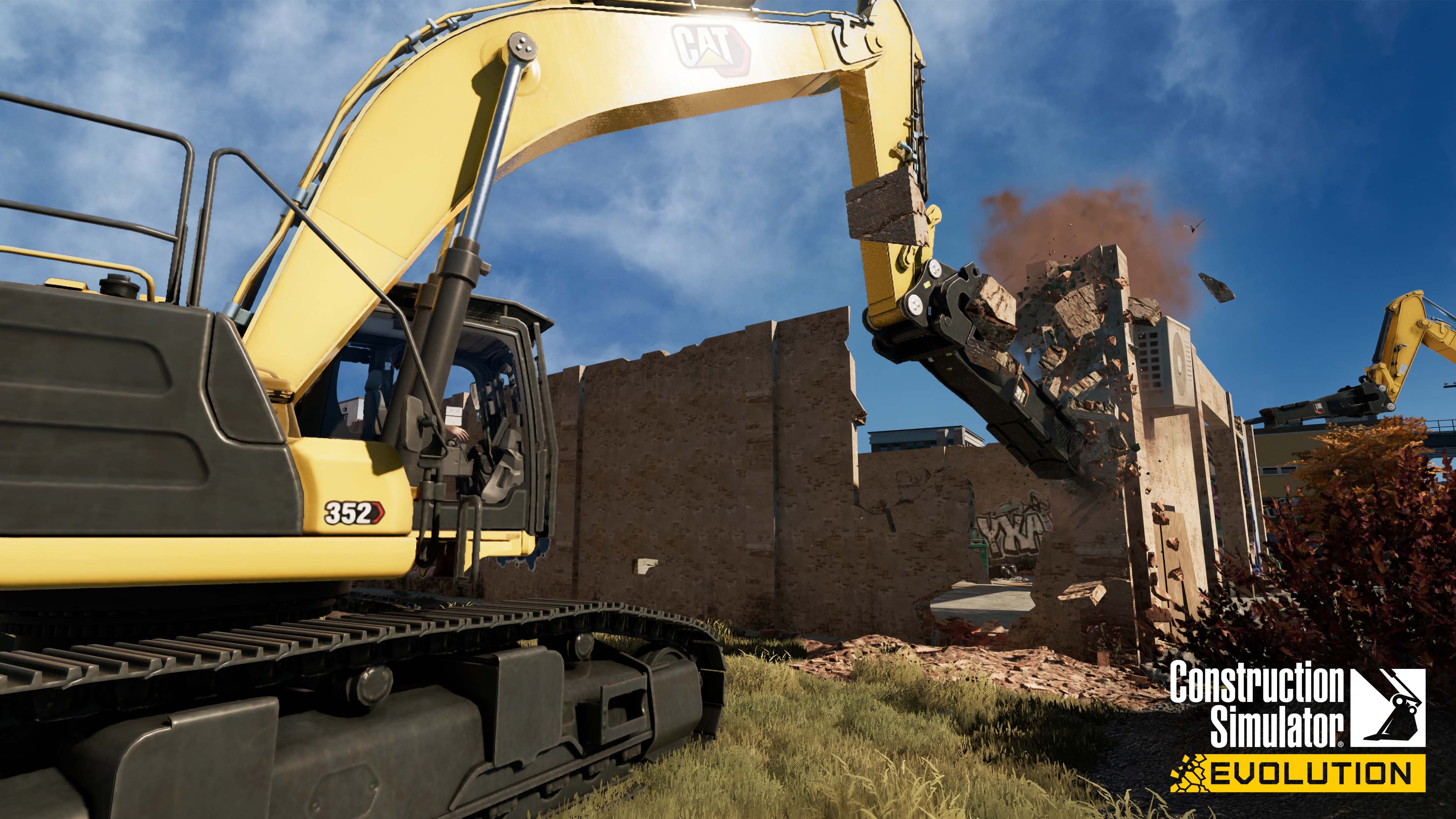
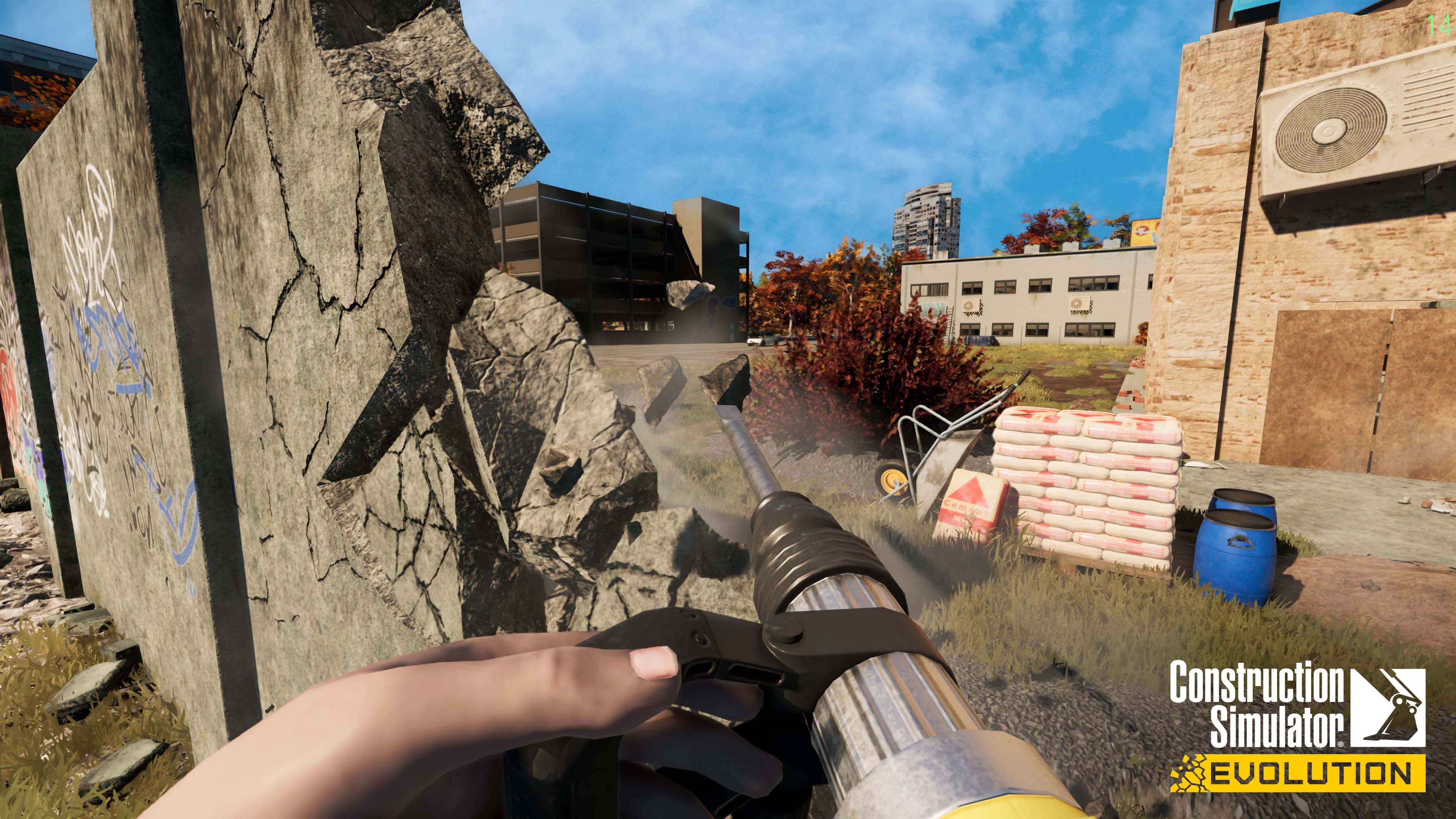
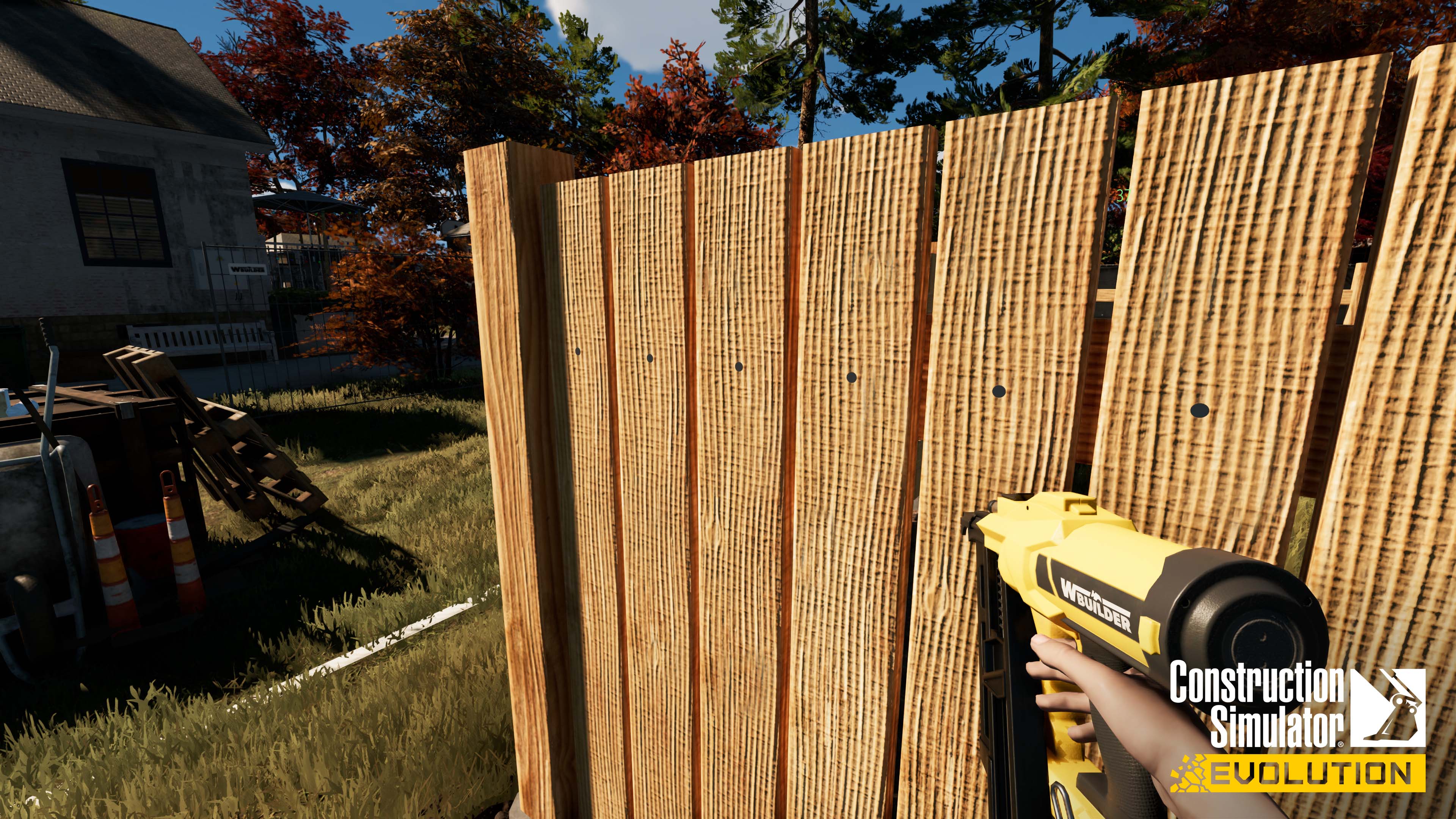
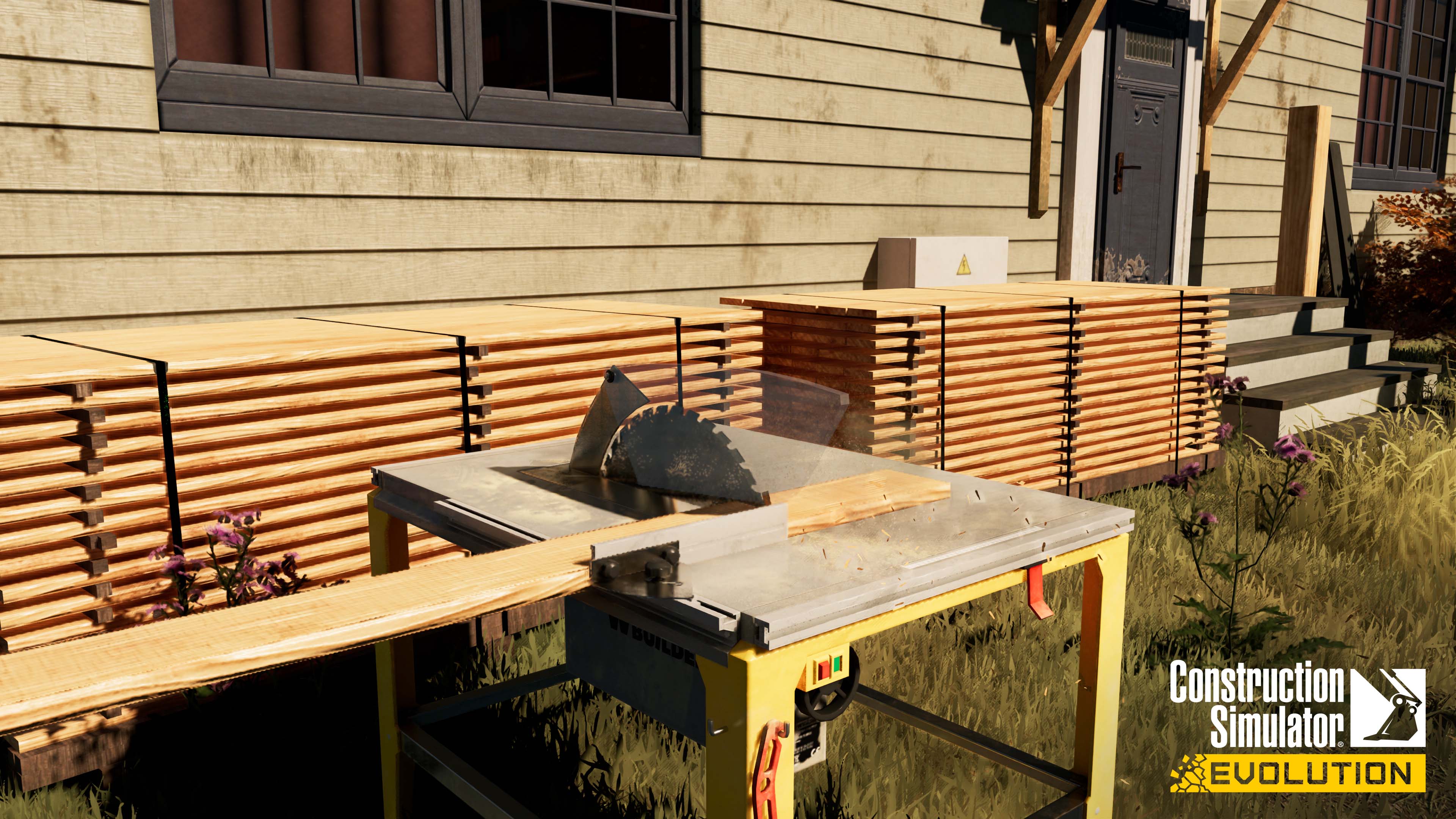
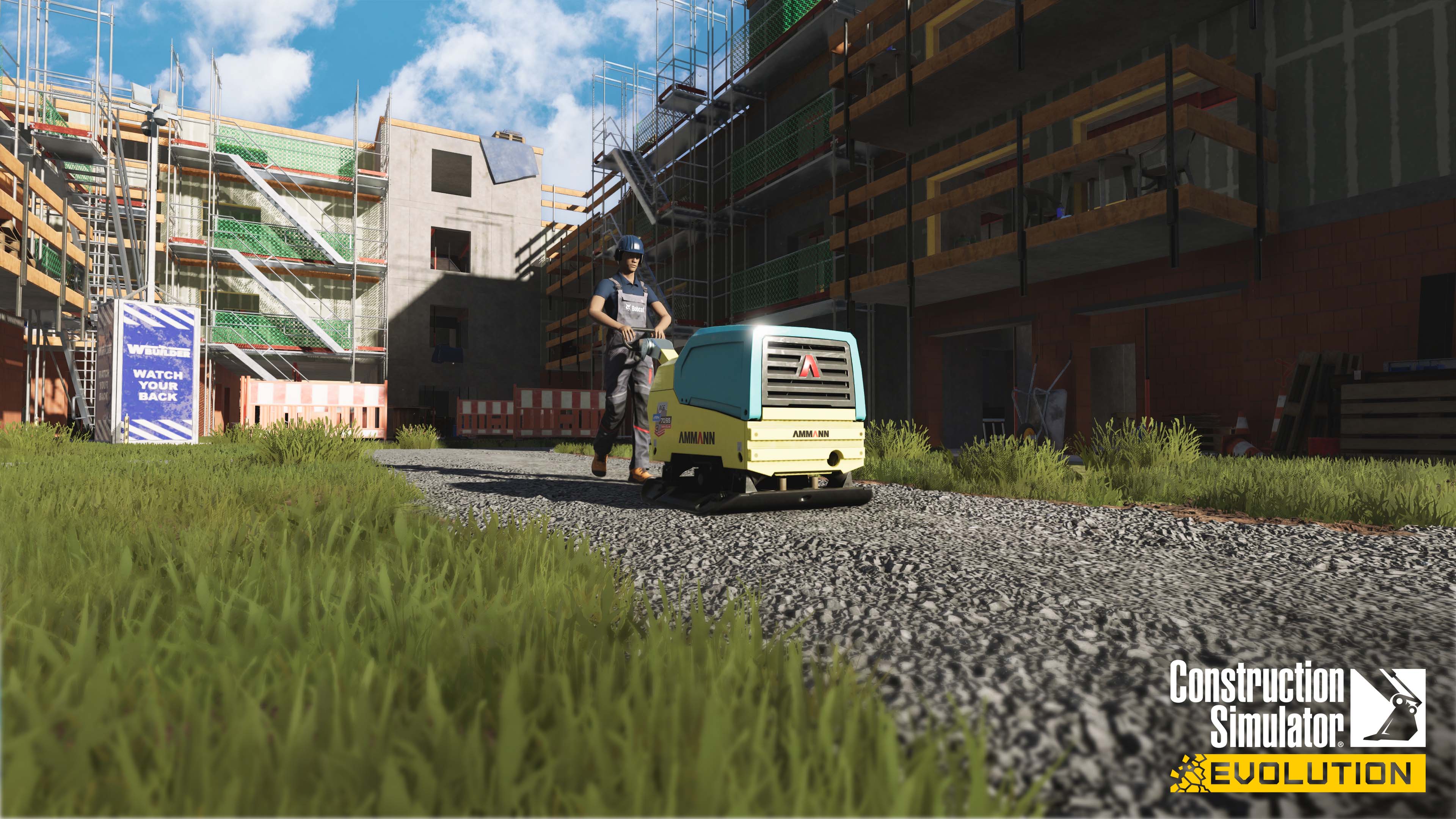
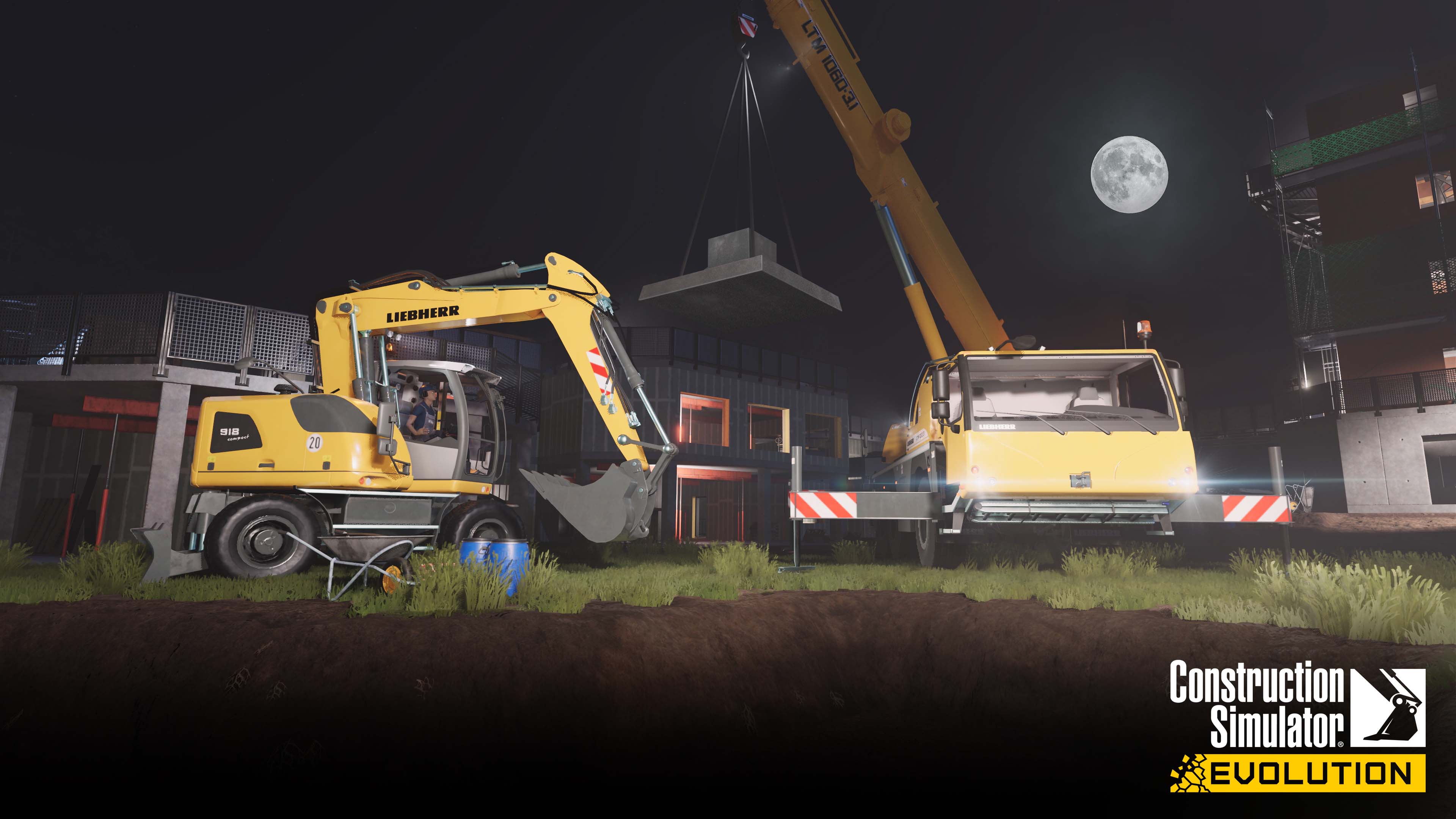
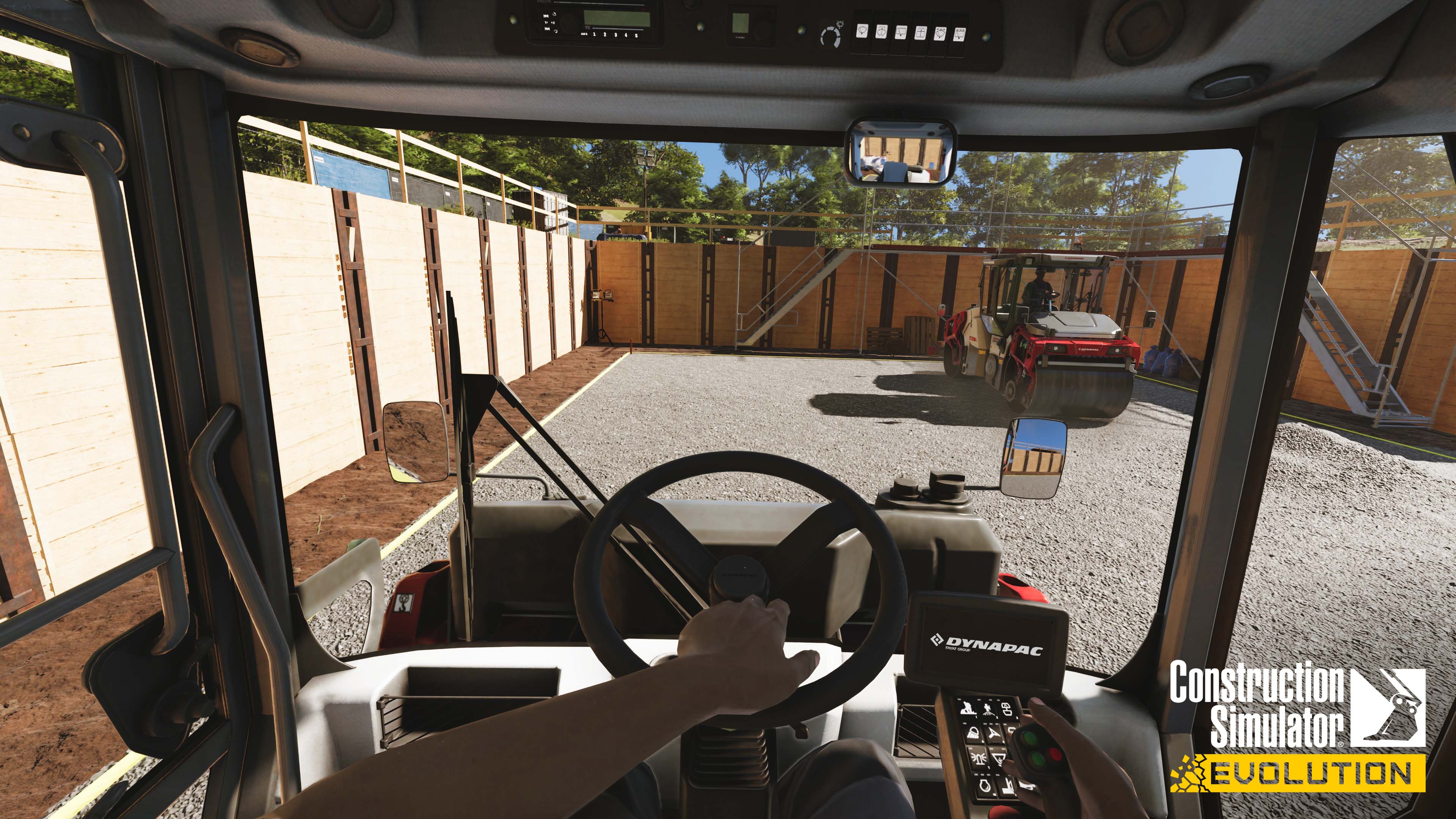
Screenshot Screenshot Screenshot Screenshot Screenshot Screenshot Screenshot Screenshot Screenshot Screenshot Screenshot Screenshot Screenshot Screenshot

Features

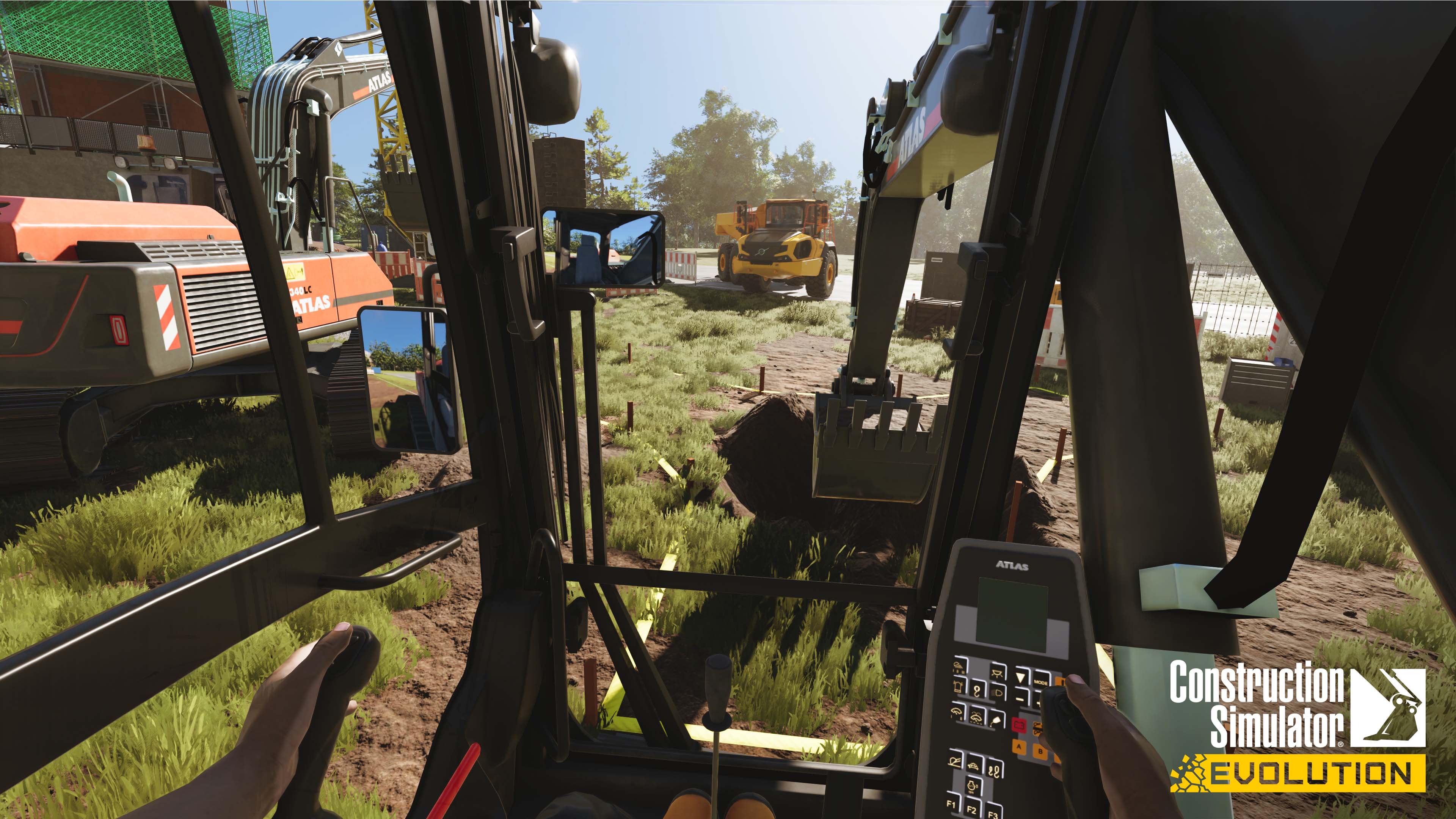
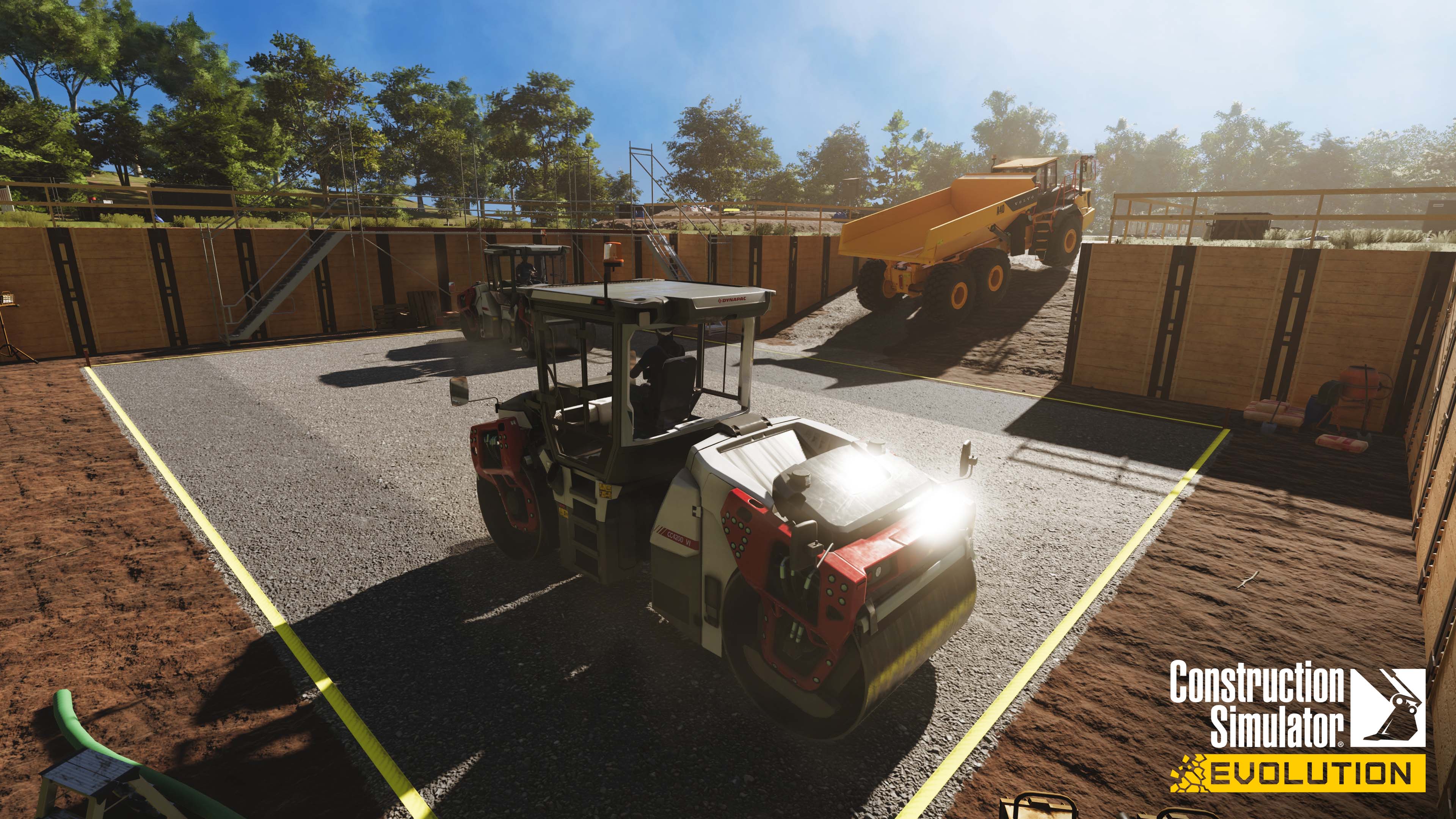
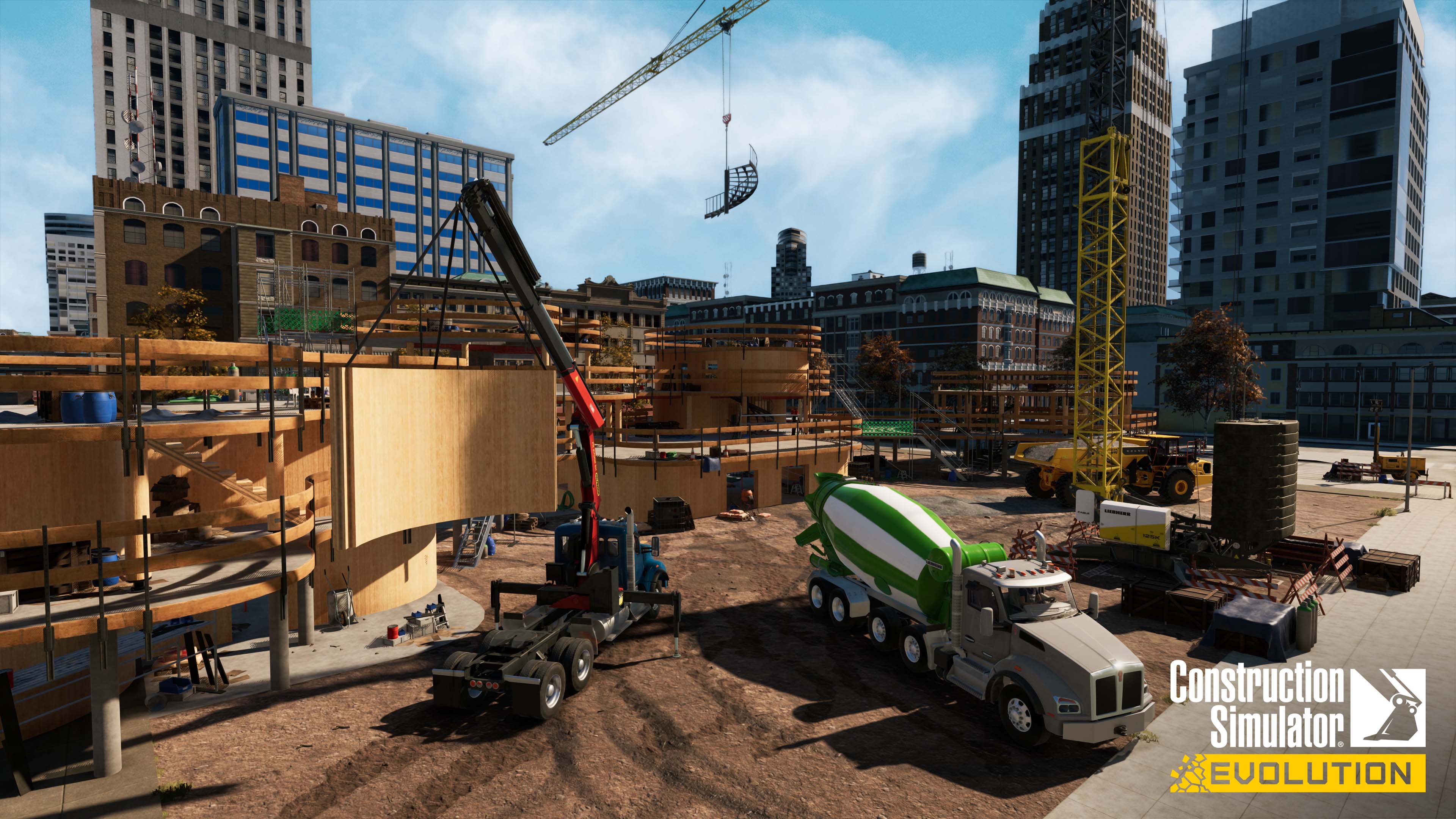
  • BIGGEST FLEET EVER: 180+ construction machines and attachments
  • MORE BRANDS: 35+ globally recognized manufacturers
  • NEW LICENSORS: Ammann, Epiroc, Sennebogen, Volvo Construction Equipment, and many more
  • MANY CONTRACTS: A wide range of challenging construction and demolition jobs
  • PLAY TOGETHER: Cooperatively with up to 4 players featuring crossplay
  • NEW FEATURES: Demolition and manual labor for the first time in the series
  • CUSTOMIZATION: Character Editor with workwear from Bobcat and Strauss
  • QUICK PLAY: Start a construction activity of your choice
  • TWO MAPS. TWO CAMPAIGNS: Explore Amber Falls (US) and Maienstein (EU), each with its own extensive campaign and story
  • PERIPHERALS: Support for popular gamepads and steering wheels

Trailer

Announcement Trailer
Ammann Atlas Bell Bobcat Bomag Cifa Case Cat DAF Develon Dynapac Epiroc JCB Kenworth Liebherr Mack Man Meiller Nooteboom Palfinger Sany Scania Schwing Stetter Sennebogen Stihl Still Strauss Volvo Wacker Neuson Wirtgen

Newsletter

Subscribe to our newsletter to get the latest news of Construction Simulator right in your inbox. Please note that you have to confirm your subscription before receiving our newsletter.


I want to unsubscribe

Salieri La Ciociara Part 2 The Journey Xxx New Verified -

The movie's title, "La Ciociara," refers to the traditional costume worn by the women of the Ciociaria region, symbolizing the strong connection between the characters and their cultural heritage. "La Ciociara" was a critical and commercial success, earning several Academy Award nominations and cementing its place as one of the greatest films of all time.

| Actor | Role | Real-World Counterpart | | :--- | :--- | :--- | | | Cesira, "la ciociara" | Based on Sophia Loren's iconic character | | Rebecca Volpetti | Rosetta, Cesira's daughter | Based on Eleonora Brown's character | | Steve Holmes | Adolfo, a fascist militiaman | A fictionalized antagonist | | Filippo Locantore | Alberto Moravia | The author of the original novel | | Costy Saddy | Elsa Morante | Alberto Moravia's partner and fellow writer |

(often translated as Two Women ) is a cornerstone of Italian media heritage:

To understand the music, we must first revisit the film. Vittorio De Sica’s 1960 masterpiece La Ciociara (known in English as Two Women ) is a brutal, neorealist gut-punch. It follows Cesira (Sophia Loren in her Oscar-winning role) and her young daughter Rosetta as they flee bombed-out Rome for the relative safety of the countryside during WWII. “The Journey” is the film’s narrative spine—a trek not just across war-torn Lazio, but from innocence to trauma.

In conclusion, "Salieri: La Ciociara Part 2 – The Journey" is more than just a sequel; it is a pivotal work that showcases a master composer pushing the boundaries of his craft. By blending regional folk traditions with grand operatic structures, Salieri created a sonic landscape that was ahead of its time. For those looking to understand the true depth of Salieri’s genius beyond the myths and legends, "The Journey" provides an essential and rewarding path of discovery. Share public link salieri la ciociara part 2 the journey xxx new

La Ciociara (known in English as Two Women ) is a deeply serious and tragic narrative originally written as a 1957 novel by Alberto Moravia.

The mainstream entertainment media of the 1960s capitalized on La Ciociara by reframing it. While Italian audiences viewed the film as a painful, urgent reflection of their recent history and the complex moral failures of war, American popular media marketed it through the lens of Hollywood stardom. Loren, already established as a global sex symbol, was suddenly validated as a serious dramatic powerhouse.

On platforms like TikTok and YouTube, creators frequently use clips of F. Murray Abraham’s performance in Amadeus to illustrate themes of imposter syndrome, professional jealousy, and the toxic nature of comparison. The entertainment value of the tragic villain vastly outweighs the historical reality of the successful bureaucrat. Modern algorithms reward high-emotion narratives, ensuring that the fictionalized Salieri remains an enduring archetype of popular media. La Ciociara: Neorealism, Hollywood, and the Media of Trauma

This adaptation, which explicitly reimagines Alberto Moravia’s acclaimed novel and Vittorio De Sica’s 1960 Oscar-winning masterpiece starring Sophia Loren, was met with significant scrutiny and notoriety. By transforming a war-era drama about survival and trauma into an adult film trilogy, Salieri positioned his work within a unique, albeit highly contentious, space in contemporary entertainment. The Context: A Remake of a Masterpiece The movie's title, "La Ciociara," refers to the

The enduring legacy of Salieri and "La Ciociara" can be attributed to their timeless themes, which continue to resonate with audiences today. The complexities of human emotions, the struggle for artistic recognition, and the power of maternal love are universal themes that transcend time and cultural boundaries.

Musically, the journey is articulated through a series of carefully contrasted episodes, each linked by a recurring, low-string passacaglia -like motif – a trudging figure that suggests exhausted footsteps more than triumphant progress. Salieri avoids any conventional “travel” aria; instead, he parcels the dramatic weight between fragmented ariosos, spoken dialogue over harmonic stasis, and sudden bursts of choral commentary (the displaced peasants they meet along the way).

This is the ultimate proof that have fully metabolized even the darkest corners of Italian cultural history.

When terms like "part 2," "the journey," and "xxx new" are appended to names like Salieri or titles like La Ciociara , it indicates a intersection of several digital phenomena: 1. Search Engine Optimization (SEO) Spam Vittorio De Sica’s 1960 masterpiece La Ciociara (known

: The review on IMDb (rating 6.2/10 from 14 votes) is a nuanced assessment. It applauds the artistic ambition, praising the forced-sex scene between Steve Holmes and Roberta Gemma as "a classic XXX scene" that demonstrates Salieri's commitment to story-driven eroticism over the "dominant gonzo format.". However, the same critic finds the overall mix of mainstream narrative and explicit content "indigestible," criticizing both the "dead non-sex scenes" and "overlong XXX scenes". The film is described as having an "immense seriousness," a "patina of sincerity," and a "very awkward structure" that ultimately aims for pathos.

The intersection of classic Italian literature and adult cinema represents a specific stylistic choice within the industry, reflecting a desire to bridge the gap between mainstream cinematic storytelling and erotic entertainment.

Until an original acetate or a studio tape emerges, this “XXX new” score remains the holy grail of Italian neorealist film music: a journey into sound that is lost, but not forgotten.