


Bokep Bocil Abg Paksa Buat Bugil Supaya Mau Ngentot Bareng Bokepid Wiki Hot Tube Direct
The entertainment consumption of Indonesian youth is deeply globalized, yet anchored by a fiercely supportive local indie scene.
Compared to older generations, today’s Indonesian youth are increasingly expressive regarding mental health, wellness, and social progressive ideals.
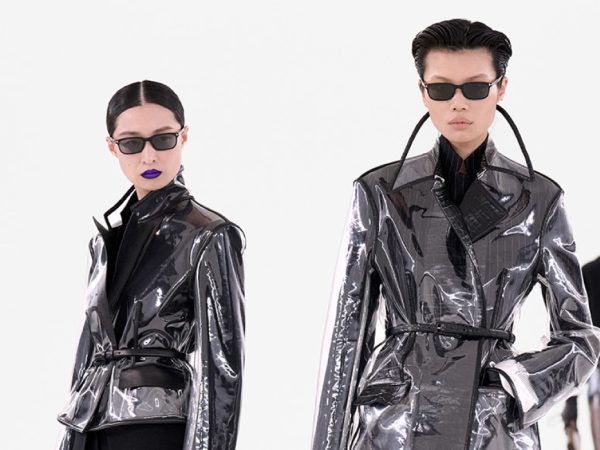
Fashion remains a top spending priority for Gen Z. The (Jakarta Modest Fashion Week) highlights a massive shift toward "modest fashion" that doesn't compromise on style, featuring intricate embroidery, layered vests, and abstract designs.
: The ubiquitous iced palm sugar latte remains the unofficial drink of the generation, symbolizing a localized, affordable luxury. 4. Creative Expression & Music The entertainment consumption of Indonesian youth is deeply
Indonesian youth culture is a dynamic mix of deep-rooted heritage and modern global trends. As the backbone of the world's fourth largest population, young Indonesians are reshaping fashion, music, technology, and social values. They effortlessly blend local identities with international influences to create a style that is uniquely their own. 1. Digital First: The Hub of Social Media Innovation
While progressive on social issues, the majority of Indonesian youth still hold religious and family values in high regard. Their identity is not a rejection of Indonesian culture, but a conscious negotiation of how to fit modern, global ideals into a traditional framework. 6. Financial Literacy and the Gig Economy
Unlike older generations, contemporary Indonesian youth are highly vocal about mental health, work-life balance, and wellness. The (Jakarta Modest Fashion Week) highlights a massive
Street food remains a staple of Indonesian youth culture, with popular dishes like nasi goreng, gado-gado, and sate being enjoyed by young people across the country. However, there is also a growing interest in healthy eating and wellness, with many young Indonesians seeking out organic, vegan, and vegetarian options.
They are the masters of improvisasi . With a crumbling infrastructure, a volatile economy, and the pressure of a collectivist society, they have learned to thrive in the margins. The world is looking at Jakarta not as a backwater, but as the blueprint for where global youth culture is headed: scrappy, spiritual, and chronically online.
There is a growing movement toward reusing archival textiles and vintage materials (as seen in collections like Adrian Gan’s Séance ) as both an ethical and aesthetic choice. Creative Expression & Music Indonesian youth culture is
This mindset shift is mirrored in their digital habits. While platforms like YouTube (81%) and Instagram (74%) remain popular overall, the landscape is fragmented generationally. For youth, TikTok is a cultural hub, with 42.27% of Gen Z using the platform, making it their undisputed "digital home". A staggering 83% of Indonesian consumers also watch short videos for online shopping, with Gen Z gravitating towards fashion and beauty content. YouTube's audience is skewing older, while Facebook is being left behind. Furthermore, their search habits have evolved beyond Google; ChatGPT and TikTok have become the search engines of choice for many, valued for offering emotional connection and relatable experiences.
Young Muslim women are driving a massive modest fashion industry. Wearing a hijab is combined with streetwear, pastel aesthetics, and high fashion, proving that religious observance and trendy self-expression can coexist.
Despite various government restrictions on imported secondhand clothing, thrifting remains a major trend. Young people frequent markets like Pasar Senen in Jakarta or Gedebage in Bandung to find unique, sustainable, and affordable vintage pieces.
Youth fashion in Indonesia is a visual representation of the bridge between the past and the future.
While the public feeds are curated for personal branding, the real conversation happens in "Close Friend" circles on Instagram or private WhatsApp groups. Due to intense social pressure and the fear of judgment ( peka or social sensitivity), youth maintain a sanitized public persona while sharing memes, complaints, and political dissent in encrypted, private spaces.